
Industry News
How Implicit Bias Shapes Hiring And Promotion Decisions
Companies should be aware of how implicit bias shapes hiring decisions, as the lack of diversity in the workplace is a common phenomenon across industries.
7 min read
Read nowPage 3 of 14
Concise expert insights and tips to keep healthcare pros compliant, skilled, and patient-focused.
Companies should be aware of how implicit bias shapes hiring decisions, as the lack of diversity in the workplace is a common phenomenon across industries.

Diversity training works to improve employees' performance and reduce the impact of implicit bias on their everyday lives.

The development of implicit bias results from unconscious processes that shape how people perceive and interpret social situations.

The relationship between implicit bias and stereotyping is evident in decision-making within institutions, including healthcare.

Intersectionality explains how different forms of discrimination overlap to create powerful experiences for individuals discriminated against based on more than one aspect.

Implicit bias affects media coverage, which, in turn, has a significant influence on the attitudes and behavior of millions of people.
Implicit bias is an unconscious stereotype that impacts our choices and can lead to poor decision-making and problem-solving.

This blog explores implicit social bias and its contextual effects, including in the criminal justice system, education, and the workplace.
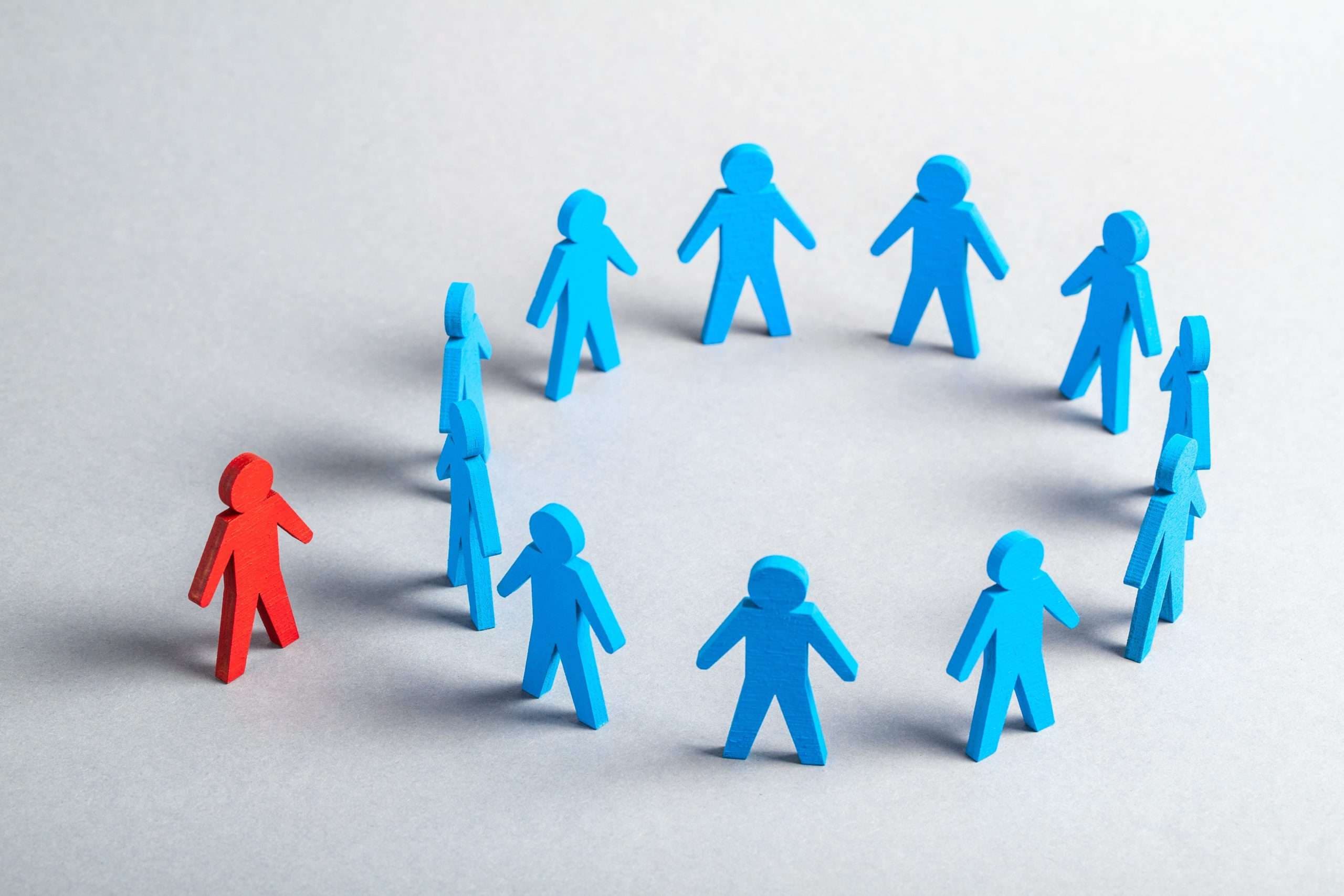
The relationship between implicit and explicit bias is complex, and it impacts social experiences for people of all backgrounds.

This article allows you to explore strategies to combat implicit bias and learn about identifying and avoiding these hidden biases.

The importance of measuring implicit bias stems from the fact that implicit biases profoundly impact our decisions and behaviors.

Implicit bias in our society affects how people feel, think, and behave and even shapes our decisions at work and at home.