
Industry News
Implicit Bias: What Is It?
Implicit bias is a term used to describe unconscious feelings and stereotypes that affect our interactions with other people and groups.
4 min read
Read nowPage 4 of 14
Concise expert insights and tips to keep healthcare pros compliant, skilled, and patient-focused.
Implicit bias is a term used to describe unconscious feelings and stereotypes that affect our interactions with other people and groups.

Societal perceptions of nursing are a significant factor influencing the nursing shortage as it determines whether individuals choose a career in nursing.

As the nursing shortage continues to affect healthcare, it is clear that it also has significant impacts on military and veretan’s healthcare system.

Immigration policies affect healthcare providers and nursing schools in filling their vacant positions with qualified nurses.

Healthcare workers and organizations worldwide are working together to address the nursing shortage impacts on global healthcare systems.

This article explains how the nursing shortage affects nursing education in preparing nurses for the healthcare workforce.

Nursing organizations have a significant role in addressing the nursing shortage, such as dealing with recruitment, retention and education challenges.

Labor unions address nursing shortages by advocating for nurses and collaborating with other organizations to improve workplace conditions.
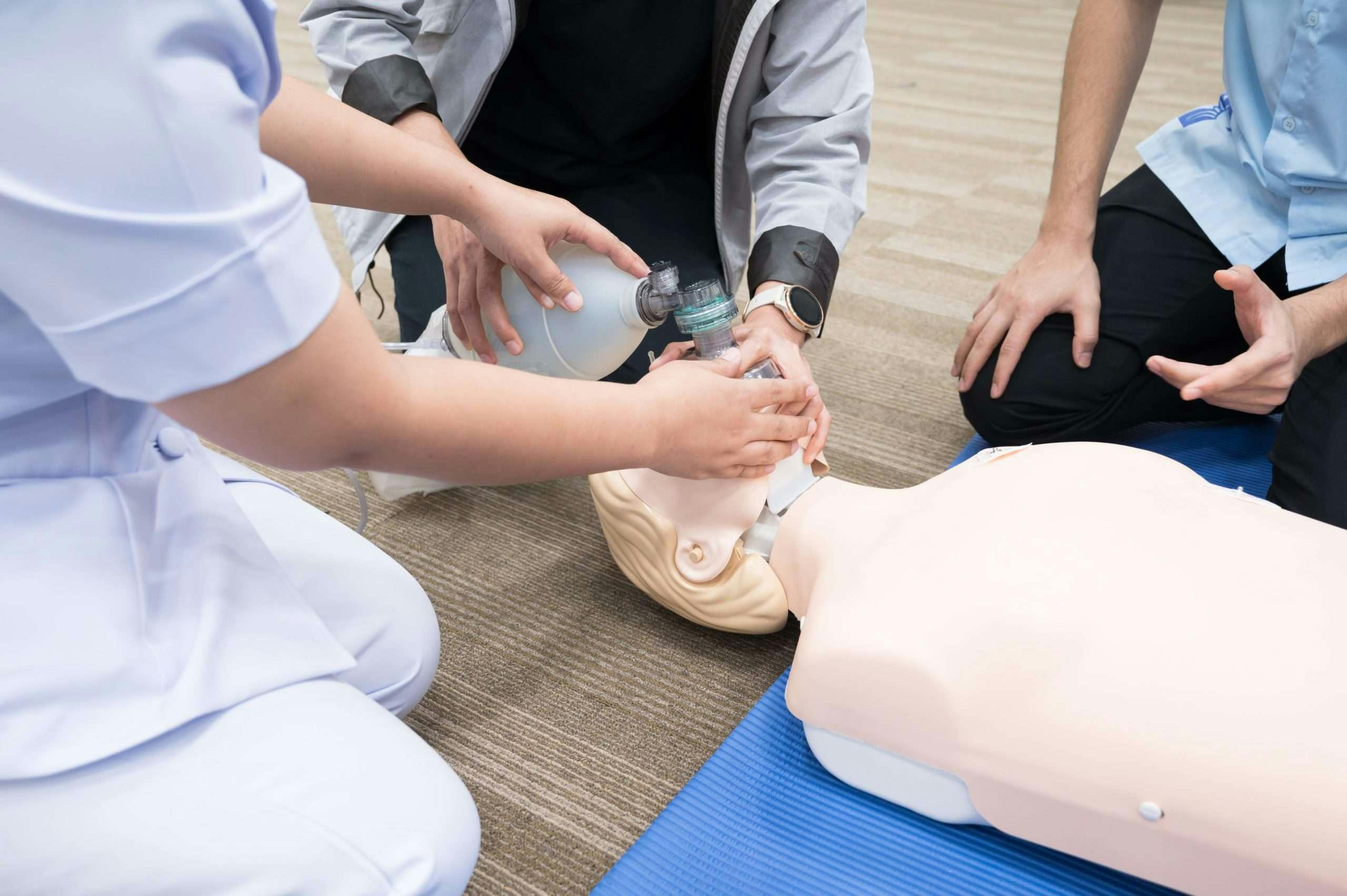
Nursing education and training is one of the most important ways to help alleviate the nursing shortage, particularly in high-risk areas.
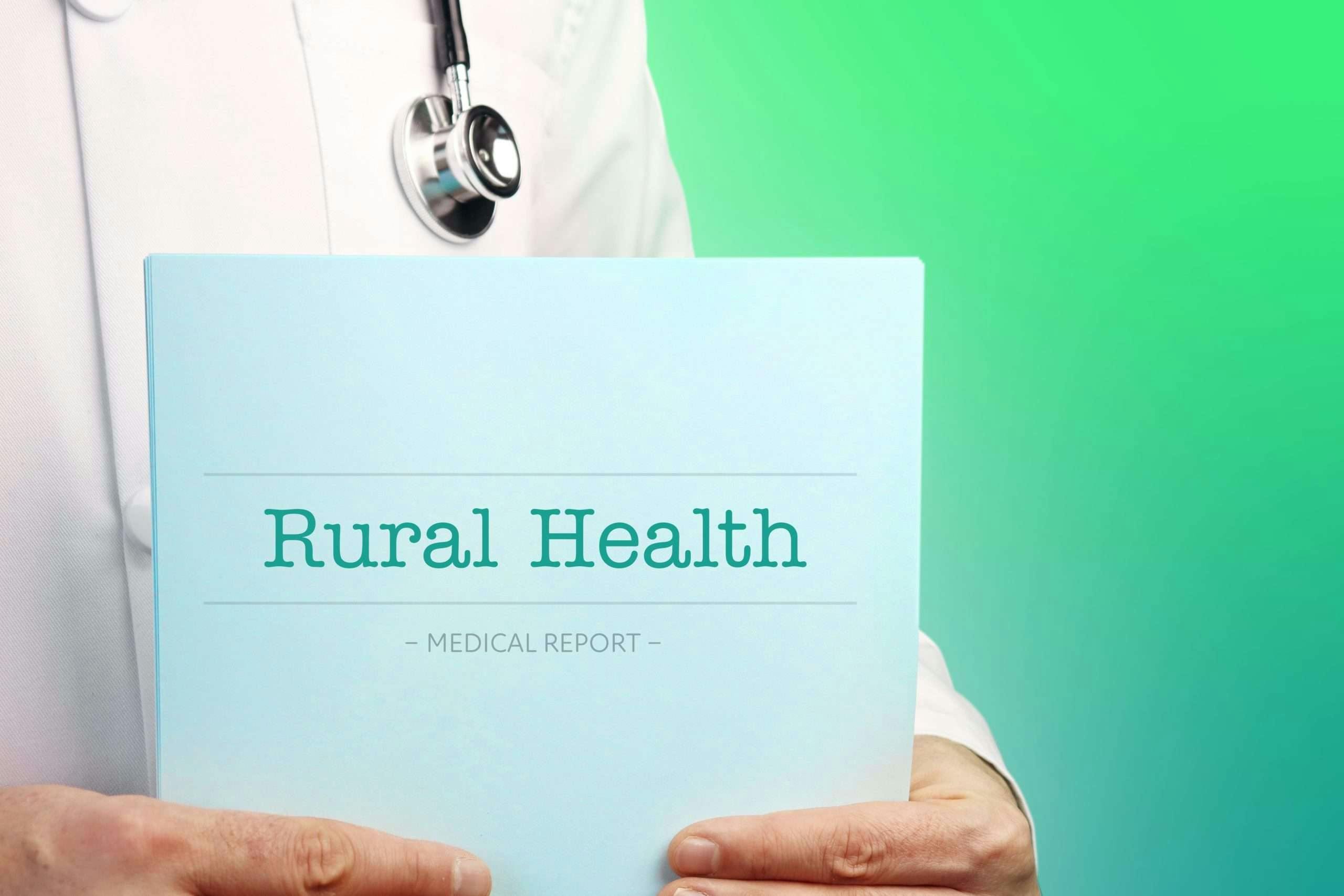
The nursing shortage greatly imapcts rural healthcare systems, as many health care workers move to better-paying jobs in big cities.

The nursing shortage is a serious problem that affects not only the nursing profession but also other healthcare workforces.

A nursing shortage has created severe problems in hospitals across the country and affects patients safety, satisfaction, and experience.