DO
Dawn O.Nutritionist
 Verified review
I am always interested in continuing education in the areas of health, wellness, nutrition and mental health. Your course was well written, well organized and helpful in meeting state licensure requirements.
Save 70% or more with a membership
Course applies toward state CE requirements and hours needed for your FL RN license renewal. View Terms
This course is guaranteed to meet or exceed your expectations for convenience and quality. View Terms
Very well written, easy to digest, time efficient, and straight to the point. Thank you!
I appreciate the convenience of the course being online and accessible through my phone and that it directly reports to support mandated education requirements.
The course was well organized and helpful in meeting state licensure requirements. I found the content to be very informative and practical.
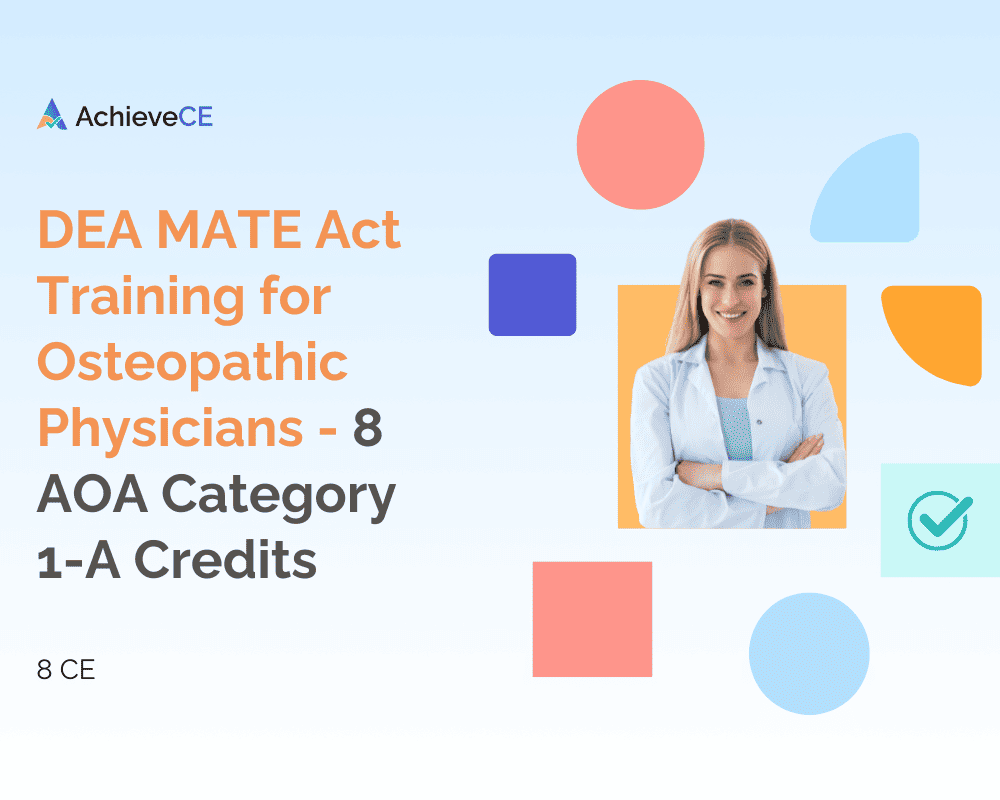
This 8-hour CME package satisfies the requirements of the DEA MATE Act while including 8 hours of AOA Category 1-A credit. Learn the requirements of the DEA MATE Act, including opioid prescribing education, safe practices, and regulatory compliance for healthcare professionals.
This 8-hour CME package satisfies the requirements of the DEA MATE Act while including 8 hours of AOA Category 1-A credit. Learn the requirements of the DEA MATE Act, including opioid prescribing education, safe practices, and regulatory compliance for healthcare professionals.

Describe the core tenets of osteopathic medicine and their application in the assessment and management of substance use disorders (SUDs).
Explain the biopsychosocial impacts of substance use across the lifespan and how osteopathic interventions align with integrative treatment models.
Analyze case-based scenarios to identify appropriate osteopathic manipulative treatment (OMT) techniques for various patient populations affected by SUD.
Evaluate clinical and policy recommendations from AOA, SAMHSA, ASAM, and other authorities for incorporating OMT and holistic strategies into addiction care.
Design patient-centered care plans that integrate OMT, medication-assisted treatment (MAT), and interdisciplinary collaboration to improve outcomes in diverse SUD settings.
Identify the clinical presentations of several common chronic pain syndromes and their underlying neurophysiological mechanisms.
Analyze the rationale for non-pharmacological and osteopathic manipulative treatments (OMT) in a patient's chronic pain management plan.
Formulate a patient-centered, interdisciplinary treatment strategy for a chronic pain case study, integrating foundational osteopathic tenets.
Analyze the epidemiology, neurobiology, and clinical presentation of Cannabis Use Disorder (CUD) within the context of osteopathic primary care.
Apply evidence-based screening tools and diagnostic criteria to differentiate patterns of cannabis use and identify common medical and psychiatric comorbidities.
Evaluate evidence-based treatment modalities, including psychosocial, pharmacologic, and community-based interventions for CUD.
Formulate an integrative, whole-person treatment plan for patients with CUD that incorporates osteopathic principles, Osteopathic Manipulative Treatment (OMT), and mind-body/lifestyle interventions.
Describe the scope of the drug abuse epidemic in the United States.
Describe the differences between drug misuse, drug abuse, and addiction.
Identify how controlled substances are classified according to schedules and provide examples of drugs on each schedule.
Identify commonly misused and diverted drugs as well as sources for diversion.
Describe behaviors that could indicate drug misuse or diversion on the part of a patient or doctor.
Identify risk factors for drug misuse or diversion.
Identify best practices that prescribers can implement to prevent drug misuse or diversion.
This 8-hour CME package satisfies the requirements of the DEA MATE Act while including 8 hours of AOA Category 1-A credit with an opportunity for instructor interaction. Advance your clinical competence and meet MATE Act training expectations with this 8-hour Substance Use Disorders (SUD) and Chronic Pain Management CE package built for today’s healthcare professionals. This curriculum goes beyond checkbox compliance to strengthen real-world decision-making in evidence-based addiction medicine, multimodal pain care, and safe controlled-substance prescribing. You will refine skills in SUD prevention, screening, recognition, and treatment, including medication-assisted treatment (MAT) and cannabis use disorder screening, while integrating behavioral health and manual therapy strategies to support whole-person outcomes. The course also covers regulatory best practices and risk-mitigation approaches aligned with responsible opioid stewardship so you can deliver safer, more effective care with confidence.
Introduction to Osteopathic Perspectives on Substance Use Disorders
Core Osteopathic Principles Applied to Addiction Care
Osteopathic Manipulative Treatment (OMT) in SUD Management
Enhancing Recovery through Autonomic Regulation and Patient-Centered OMT
Addressing Chronic Pain Through Osteopathic Strategies for Opioid Risk Reduction
Evidence-Based OMT Strategies for Opioid Reduction and Long-Term Pain Management
Supporting Recovery: OMT for Anxiety, Sleep, and Emotional Well-Being
Bridging Hands-On Healing and Modern Medicine: Integrating Osteopathic and Allopathic Approaches
Advancing Recovery Through Team-Based Integration of DO and MD Models
Whole-Person Healing from Womb to Elderhood: Osteopathic Interventions Across the Lifespan
Guidelines, Best Practices, and Policy Recommendations
Insurance and System-Level Considerations
Osteopathic Care Scenarios in Various Populations
Challenges and Successes in Practice
Future Directions
Conclusion
Introduction
Theories of Pain and Osteopathic Interpretation
The Osteopathic Approach to Chronic Pain
Assessment Strategies
Treatment Strategies
Application of OMT in Chronic Pain Conditions
Interdisciplinary Collaboration and Allopathic Comparisons
Mind-Body-Spirit Model in Treatment Planning
Clinical Scenarios and Practical Pearls in Osteopathic Pain Care
Conclusion
References
Introduction to CUD and Its Relevance to Osteopathic Medicine
Epidemiology, Prevalence, Trends, and Risk Factors of CUD
The Shifting Landscape of Cannabis Legalization
Socio-Legal Dimensions and Health Equity
The Endocannabinoid System (ECS)
Pharmacology of Cannabis
Neurobiological Effects of Acute and Chronic Cannabis Use
Cannabis Withdrawal Syndrome
Impact on Adolescent Brain Development and Long-Term Cognition
Screening for Unhealthy Cannabis Use in Primary Care (SBIRT)
Comprehensive Assessment and Diagnostic Interviewing (DSM-5-TR)
Differentiating Use Patterns and Stratifying Risk
Psychiatric Comorbidities
Medical Comorbidities and Systemic Effects
Perioperative and Surgical Considerations
Psychosocial Interventions as the Cornerstone of Care
Managing Withdrawal and Supporting Abstinence
The Osteopathic Approach to CUD Care
Osteopathic Manipulative Treatment (OMT) as Adjunctive Therapy
Mind-Body Medicine and Lifestyle Interventions for Sustainable Recovery
The Role of Family, Community, and Spirituality in Recovery
Key Takeaways for Clinical Practice
Introduction
Overview of Schedules of Controlled Substances
Chronic Pain and Controlled Substances
Mental Illness and Controlled Substances
Attention Deficit Hyperactivity Disorder and Controlled Substances
Prescribing Emergency Opioid Antagonists
Preventing Prescription Drug Diversion and Abuse
Nonpharmacological Therapies
Nonopioid Medications for Pain
Responsible Prescription of Controlled Substances
Prescribing Guidelines for Controlled Substances
Conclusion
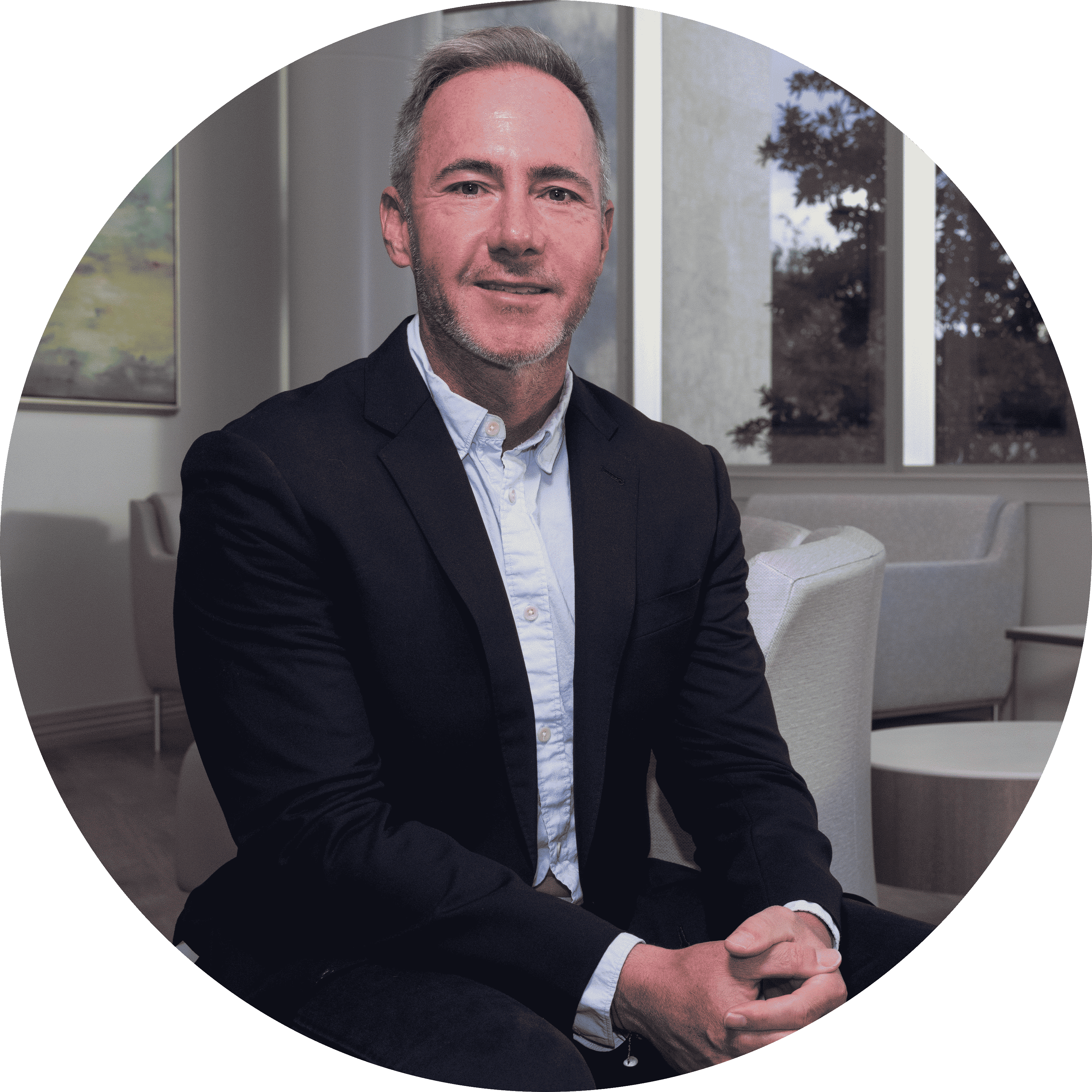
Al J. Ventzek, DO, FAAEM is an Attending Emergency Physician at Jupiter Medical Center in Jupiter, Florida, where he has practiced since 2006. He also serves as Medical Director of Fire Rescue Operations for Tequesta Fire Rescue and Medical Director at Elite IV in Jupiter, FL. Board-certified in Emergency Medicine, Dr. Ventzek completed his residency at Mount Sinai Medical Center in Miami Beach and earned his Doctor of Osteopathic Medicine from Nova Southeastern University. His professional background includes leadership roles in medical education and physician peer review, as well as consulting in urgent care and telehealth innovation. A Fellow of the American Academy of Emergency Medicine, he is an active member of multiple professional organizations and has lectured on sepsis management, traumatic brain injury, and critical care.
This continuing education course is especially relevant for these healthcare professions, but other professionals may also benefit
The Lincoln Memorial University-DeBusk College of Osteopathic Medicine (LMU-DCOM) is accredited by the American Osteopathic Association to provide osteopathic continuing medical education for physicians. LMU-DCOM designates this program for a maximum of 8.0 AOA Category 1-A credits and will report CME and specialty credits commensurate with the extent of the physician's participation in this activity.
This course, "DEA MATE Act Training for Osteopathic Physicians - 8 AOA Category 1-A Credits", provides 8 contact hours of continuing education credit upon successful completion.
Yes, this course is accredited by AOA - LMU - 8 Hours. AchieveCE is an approved provider of continuing education for healthcare professionals.
This course is especially relevant for: Doctor of Osteopathy, Doctor of Osteopathic Medicine, Osteopathic Physician. Other healthcare professionals may also benefit from this continuing education content.
Your credits are automatically and instantly reported to CE Broker and CPE Monitor upon successful completion. No manual reporting is required on your part.
Yes, you will receive a certificate of completion immediately after finishing the course and passing the assessment. The certificate can be downloaded and printed directly from your account.
We offer a 30-day money-back guarantee. If you are not satisfied with your purchase, you can request a full refund within 30 days of purchase.
You have unlimited time to complete the course at your own pace. Once purchased, the course is available in your account until its expiration date. You can pause and resume at any time.
 Real reviews, real resultsVerified review
I am always interested in continuing education in the areas of health, wellness, nutrition and mental health. Your course was well written, well organized and helpful in meeting state licensure requirements.
Verified reviewVery well written, easy to digest, time efficient, and straight to the point. Thank you!
Verified reviewI appreciate the convenience of the course being online and accessible through my phone and that it directly reports to CEBroker to support mandated education requirements.
Verified reviewI really loved this information. I was hospitalized last year for almost a month and I noticed multiple medical errors (not being hooked up to my IV multiple times, given wrong medication which caused my sodium to be very low, etc.) which lengthened my stay. I can now define those exact errors and better understand what happened to me. I hate that these medical errors are so common and I appreciate how well laid out your breakdown and categorization of them was.
Verified reviewI am always interested in continuing education in the areas of health, wellness, nutrition and mental health. Your course was well written, well organized and helpful in meeting state licensure requirements.
Verified reviewVery well written, easy to digest, time efficient, and straight to the point. Thank you!
Verified reviewI appreciate the convenience of the course being online and accessible through my phone and that it directly reports to CEBroker to support mandated education requirements.
Verified reviewI really loved this information. I was hospitalized last year for almost a month and I noticed multiple medical errors (not being hooked up to my IV multiple times, given wrong medication which caused my sodium to be very low, etc.) which lengthened my stay. I can now define those exact errors and better understand what happened to me. I hate that these medical errors are so common and I appreciate how well laid out your breakdown and categorization of them was.
This course is guaranteed to meet or exceed your expectations for convenience and quality. View Terms
Includes all state CE requirements and hours needed for your license renewal. View Terms
This educational activity was developed by AchieveCE free of any commercial support. The following individuals have indicated that they have no financial relationships with an ineligible company that may impact this activity:
• Al J. Ventzek, DO, FAAEM - Faculty • John Villa, MD, FACEP, FAAFP - Faculty • Patricia Dunn, DNP, APRN, FNP-BC - Nurse Planner, Content Reviewer • Pete Kreckel, RPh - Pharmacist Planner • Marie Fluent DDS, CDIPC - Dentist Planner • Luke Porter - Planner
All presenters, planners, and others involved in program development have no financial interests or relationships with companies that would influence the content. They also do not have any financial interest in selling technologies, programs, products, or services to CME/CE professionals.
Artificial intelligence tools were used to support activity planning, research, and content development. All AI-assisted content was reviewed and approved by qualified individuals for accuracy, scientific validity, appropriate citation, balance, and freedom from commercial influence prior to release. AchieveCE is solely responsible for the final educational content.
To earn credit, participants must complete the entire activity, score at least 75% on the post-test, and submit the activity evaluation. The post-test has no time limit and may be taken as many times as needed.
Windows 8.1, Windows 10, Mac OS X 10.1+, iOS 10+, Android 4.3+
Google Chrome, Microsoft Edge, Mozilla Firefox, Adobe Acrobat Reader
Broadband Internet Connection: T1, Hi-speed DSL or Cable4G cellular connection
Save 70% or more with a membership